The human cost of the stolen £millions
The human cost of the stolen £millions
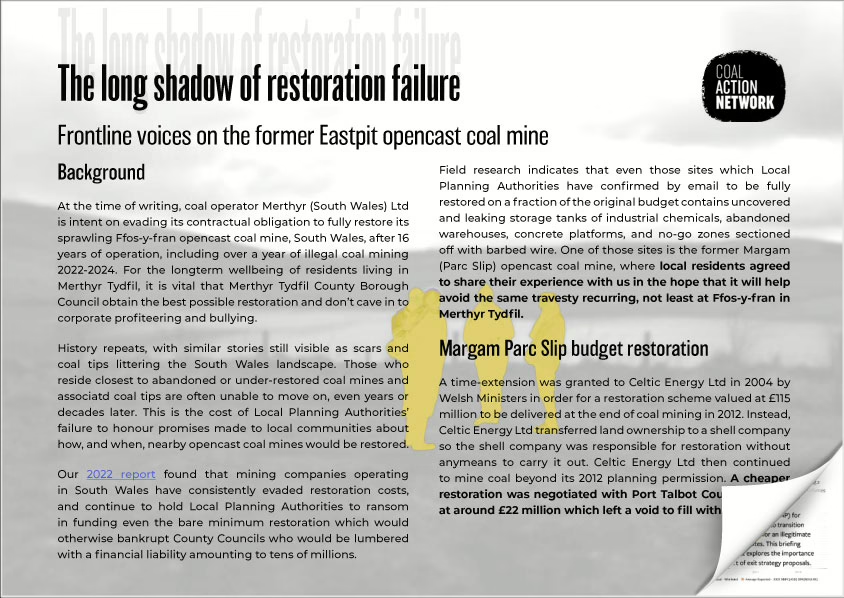
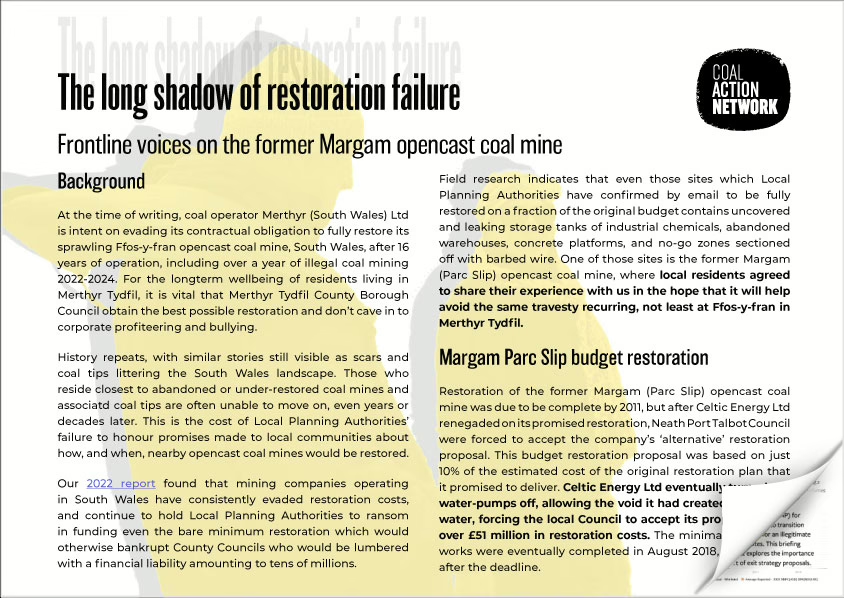
The mining company, Merthyr (South Wales) Ltd, is trying to do the residents of Merthyr Tydfil out of tens of millions of pounds worth of restoration at Ffos-y-fran opencast coal mine by massively reducing the restoration it agreed to carry out at the end of 16 years of coal mining. To understand the lasting impacts this would have, and why we must resist it, we've made a guide on the community impacts of two other cut-price restorations in South Wales where the same happened.
Cut-price restoration failures
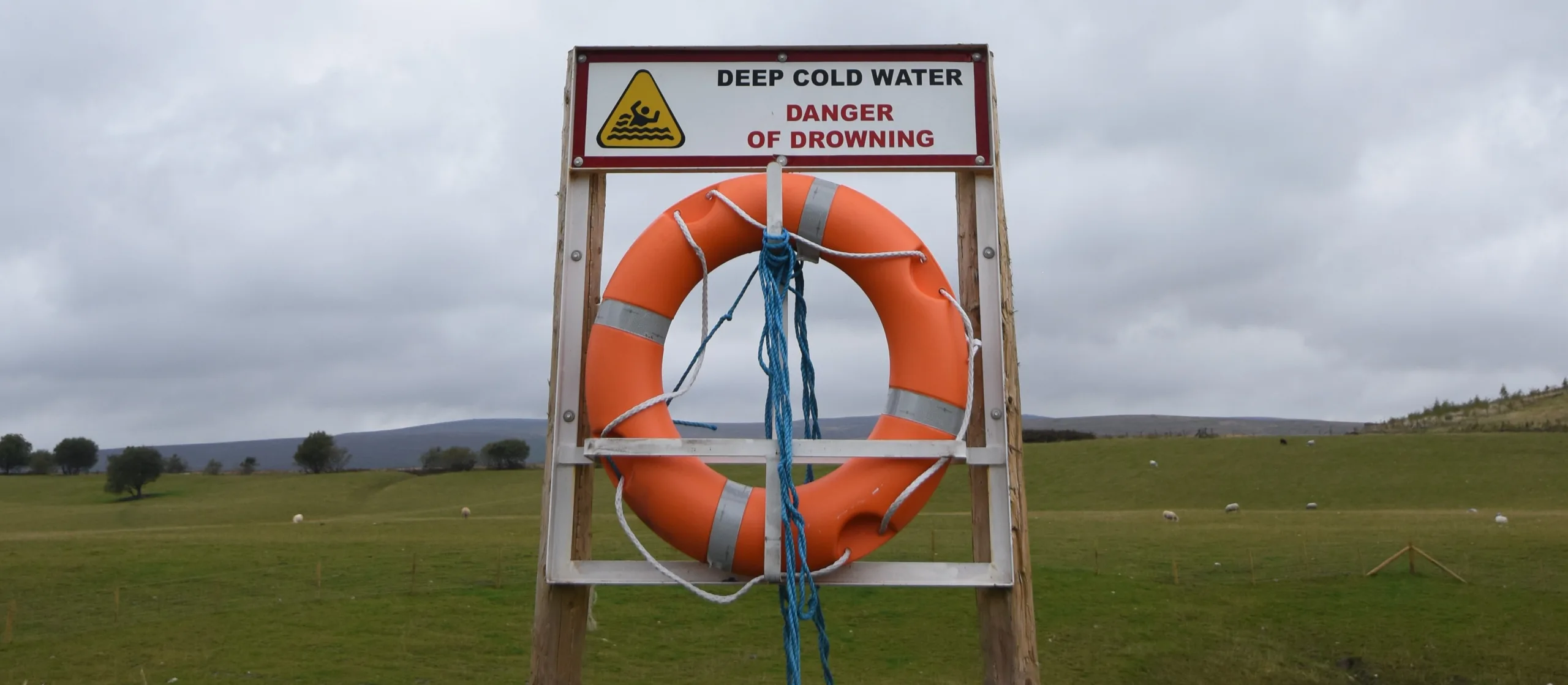
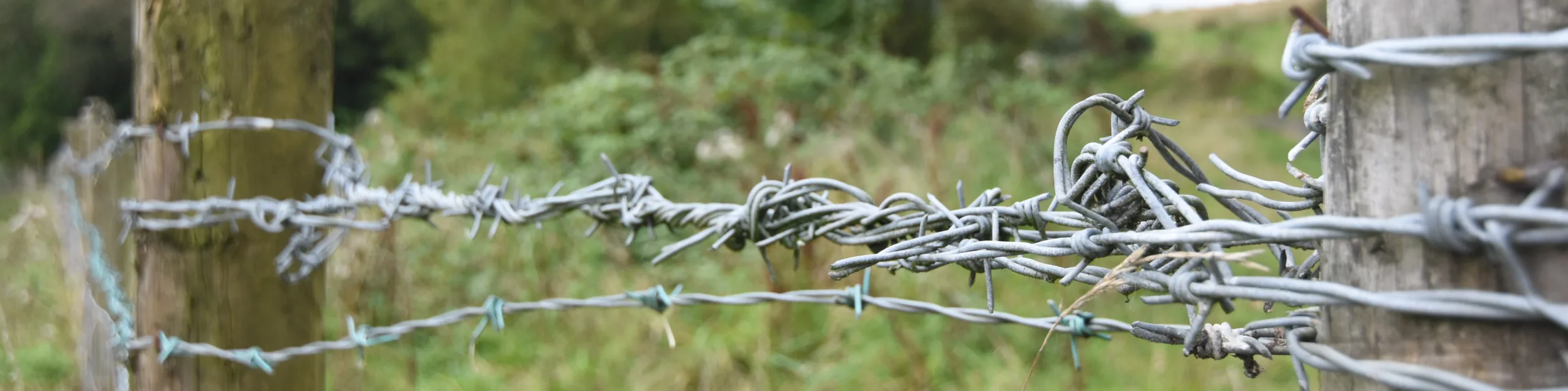
Former opencast coal mining sites like East Pit, Margam Parc Slip, Nant Helen, and Selar are all recent examples of under-restored areas carried out on budgets as little as 10% of what the promised restoration would have cost - sometimes even less. Ffos-y-fran looks set to join that list. Restorations are meant to return natural life to the area after coal mining has finished, often with promises of even more natural habitat and life than there was before. But whilst some of these restorations can superficially appear complete if you don't look too closely and you didn't know what it looked like before, the soil is wrecked, habitats are struggling to take hold, and there are often wire fences and safety warnings about the hazards left behind.
Communities paying the price
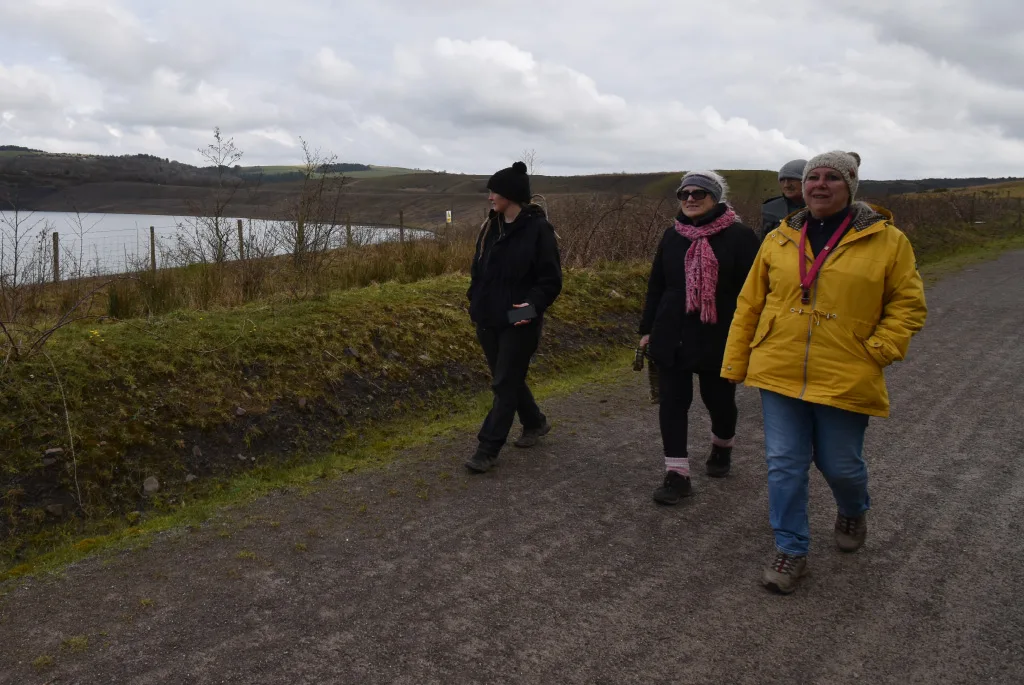
Often planning permission is granted for coal mining on the basis that the area will be restored with even better natural habitats and public amenity (access, facilities etc.) than before. Surrounding communities pay the price for the promised restoration with years of noise, dust, and disruption to their daily lives. When that restoration is inevitably denied by profiteering mining companies, communities report:
- Not being able to move on
- Loss of place and history
- Reduced access to green space
- Safety risks
Get clued up on the detail to resist your local apocalypse
The UK was one of the first countries in the world to mine coal so industrially. Many of those coal mines were abandoned, not all of which are even mapped - though over two thousand recorded waste dumps (coal tips) in South Wales alone hints at the scale. Opencast coal mining left particularly visible scars on the landscape so the voids left over were meant to be filled in after the coal was extracted. When applying for coal mining permission, coal mining companies would sign contracts binding them to pay glowing nature reserves to be established after the coal was extracted. But most of the time, these companies siphon off the profits and declare bankruptcy, or find legal loopholes, to dodge their responsibilities to restore the mess they created.
Fortunately, Councils usually require that a small amount is paid to them by the coal mining company either at the start of a coal mine or as it progresses. But this is often around just 10% of the cost of restoring an opencast coal mine. So when the coal mining companies wriggle out of their contractual duty to clean up the mess they created, the Councils are often forced to then pay these same companies these small amounts of money to do basic works to make the site at least safer and less of an eye-sore for the communities living around it - but at 10%, that money doesn't go far, and can't erase the injustice of broken promises to those communities who also paid in years of coal mining, noise, dust, and disruption. Read our flagship report tracking restoration an seven recent sites across South Wales.
To restore the site of a sprawling opencast coal mine can cost over £100 million. The original Ffos-y-fran restoration scheme is estimated to cost £75-125 million. Merthyr Tydfil Council got £15 million from the coal mining company, Merthyr (South Wales) Ltd in 2019, after taking the company to court. Merthyr (South Wales) Ltd is now refusing to fund the restoration it agreed to, despite posting record profits and selling an extra c640,000 tonnes of coal than it was permitted to.
Despite the injustice of it, the £15 million held by Merthyr Tydfil Council's will theoretically go further if it's paid to Merthyr (South Wales) Ltd to carry out a cut-price restoration compared to a new company, as Merthyr (South Wales) Ltd still has a small amount of its machinery and employees on site from when it was coal mining. The same happened when Celtic Energy Ltd refused to fund the promised restoration of four coal mines it operated in South Wales, stealing £millions from local communities and paying their Directors huge bonuses that year. Each Council paid the what little in restoration funds they held to Celtic Energy Ltd to carry out cut-price restorations at each site, leaving a legacy of bitterness in local communities that's alive today.
Budget restorations typically cut corners in the following areas:
- Huge voids created buring coal mining are allowed to flood - rather than refilling it by returning many thousands of tonnes of overburden (soil that was removed to access the coal underneath).
- RESULT: The exposed coal-face to the water leaches heavy metals such as mercury and cadium into the water, and its very deep and cold
- Overburden mounds are left wherever they were dumped, and with just the sheerest sides made more sloping.
- RESULT: This is sub-soil so its stoney, can be high in heavy metals, and the fertility is low so little will grow
- Concrete platforms and even structures are left behind to rust
- RESULT: A dangerous area for young people and animals to explore and an eyesore
- Aftercare to maintain habitat creation is cut back on, dead tree saplings aren't replaced etc
- RESULT: sparse patches of grass and trees, and erosion off overburden mounds
A downright disgrace and a downright and utter insult to the people of South Wales, so many of whom gave their lives trying wrest a living out of the hills.
I was a member of OMIG (Opencast Mining Intelligence Group), now disappeared, but I took part in public inquiries across South and North Wales, Lancashire and County Durham. My argument was that opencast was all about transferring the costs, monetary and social, of getting coal from the nationalised deep mines to the private sector. We were rubbished by the NCB by Government and by local authorities who couldn’t see beyond “it’s jobs” arguments.
We warned that this is how it would end, that like the old mine owners before them these mining companies were interested only in one thing, private profit and getting out as soon as they had sucked communities of their life blood. I’m proud to have lived in Garndiffaith, a small mining community in the Eastern Valley and to have met so many wonderful people through my work. The same happened when I was moved to Woodland, a tiny settlement at the south-western end of the Durham coalfield.
But it was in South Wales that I was most proud to have lived and to have had the ability to support those communities at inquiries like Llanilid West near Bridgend and Brynhenllys in Breconshire. I recognise all those sites referred to like East Pit, Margam, Ffos y Fran and more, where the NCB and private operators were promising the earth (literally) and we said again and again that without a full bond covering the full cost of restoration deposited with the Coal Authority and monitored by a Committee of equal members of the community and the operators with a genuinely independent Chair before any start was allowed, the result would be environmental disaster. I’m so sorry that we were not successful in the long term and if I can do anything now, I shall be only too pleased to do so.
Do get in touch please.
Thanks Richard – this certainly looks interesting: https://openlibrary.org/works/OL10997407W/A_reassessment_of_opencast_coalmining_in_the_light_of_the_current_energy_situation..?edition=key%3A/books/OL14362593M
My colleague may do a historical assessment of the struggle against opencast mining – if they do, they’ll definitely be in touch with you!