Where our coal comes from
Where our coal comes from
UK industries still hooked on coal
Despite 2024 being a momentous year for UK coal mining and use, the fight's not over.
The UK steel and cement sectors (and to a lesser extent, bricks) are the largest users of coal following the closing down of the UK's last coal-fired power station in September 2024. But tried and tested alternatives to coal exist. Check out our coal dashboard for our most recent coal stats including an industry break-down. We support the UK Government's commitment to ban new coal mines opening in the UK - but this must be accompanied by a commitment to rapidly wean domestic industry off coal by adopting existing alternatives. Failing to do this simply off-shores the dangers and localised environmental harm of coal mining to where it's out of sight. This kind of practice marked the British colonial period, where some of the dirtiest and most grueling work was forced upon colonised countries, to supply and develop the UK. Continuing this pattern is called 'neo-colonialism', and the UK must avoid this by de-coaling domestic industry.
Consequences of importing coal
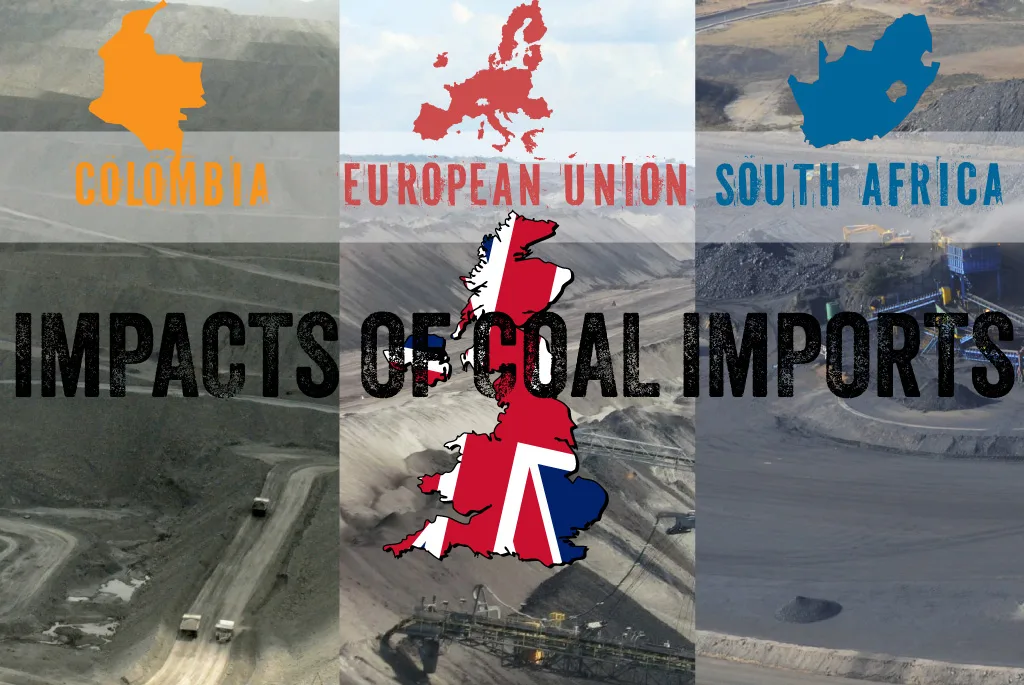
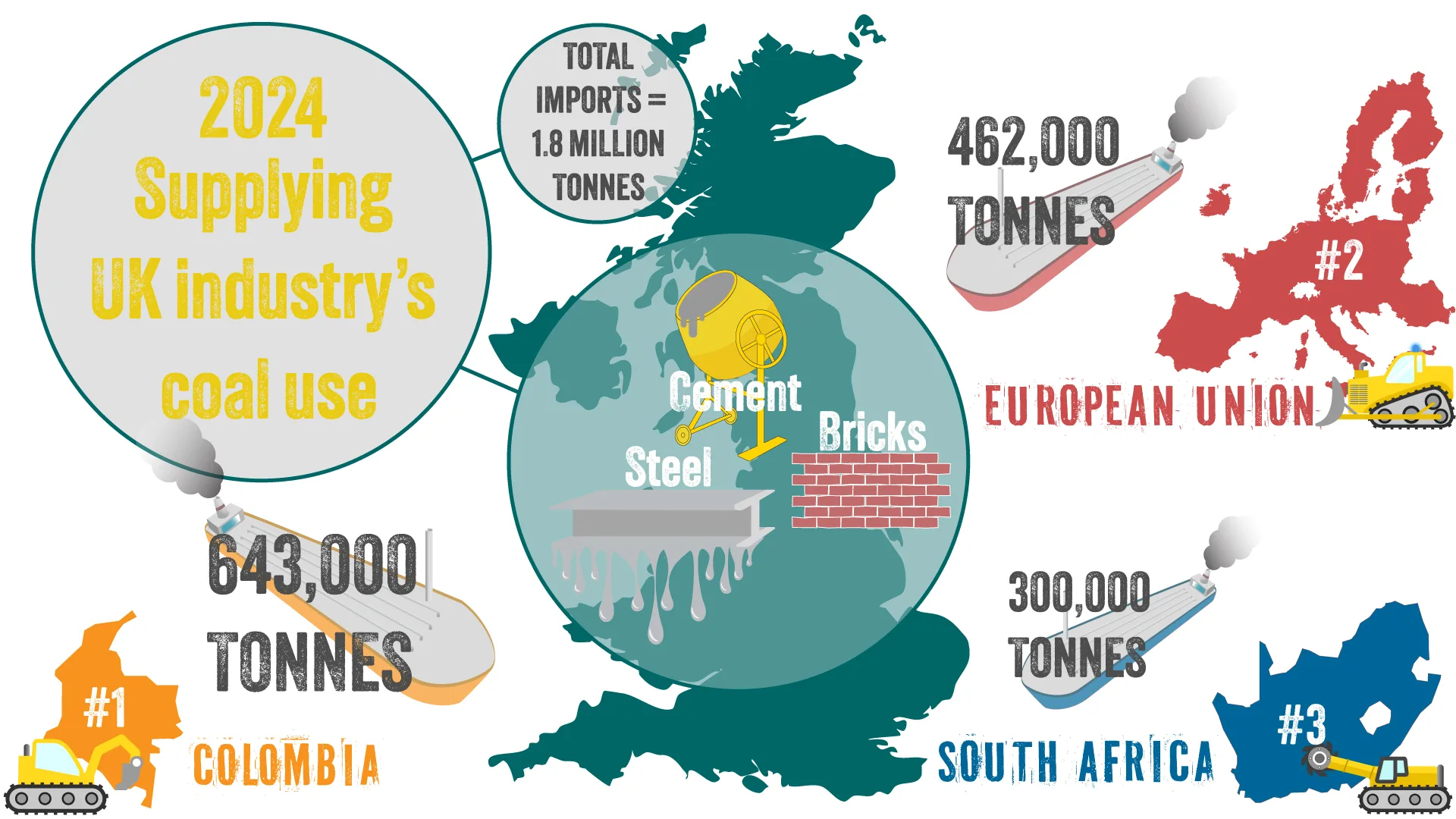
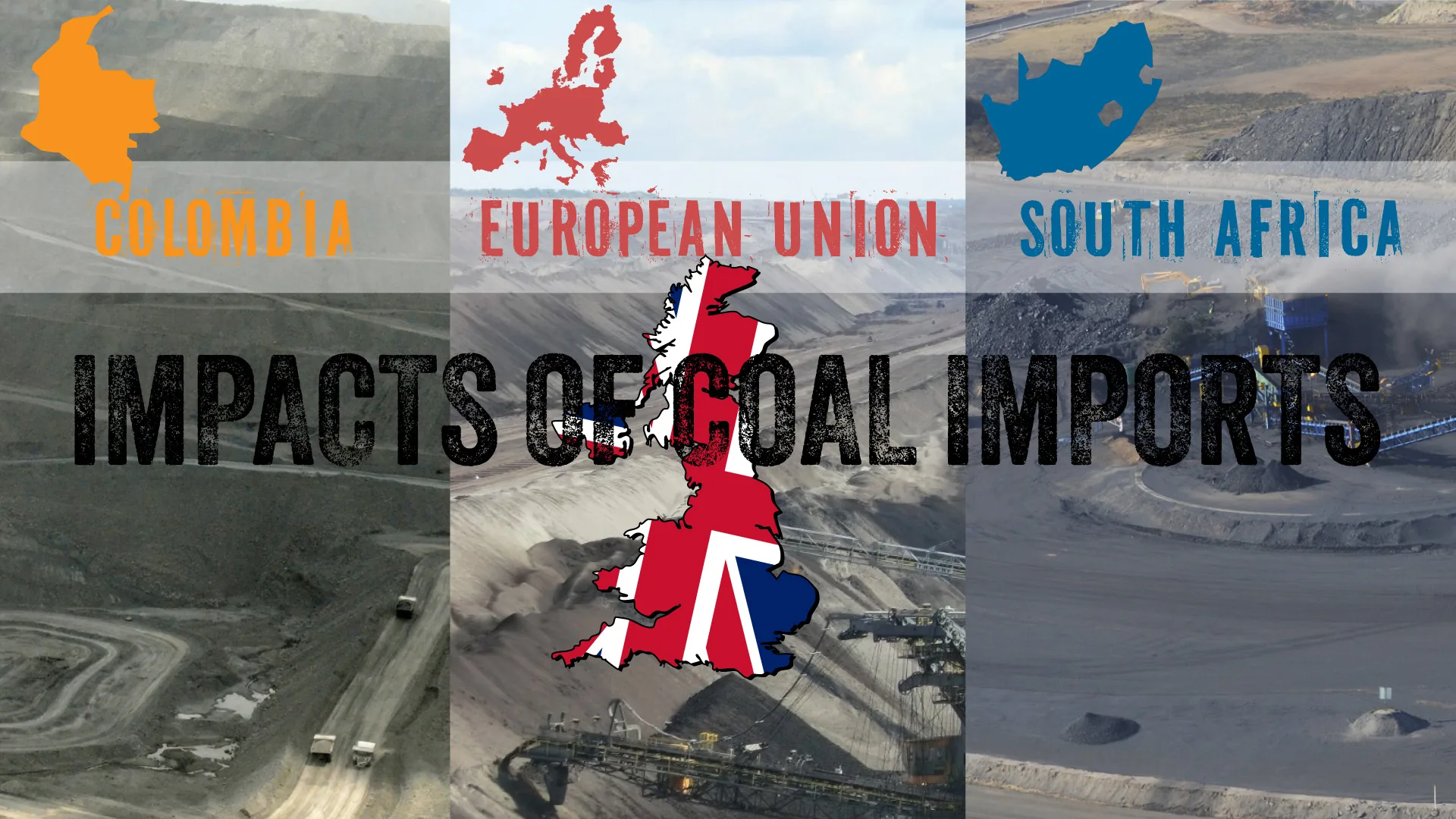
As the UK no longer produces thermal coal, the type used by the cement industry (and to a lesser extent in the steel industry), 1.78 million tonnes was imported in 2024 – primarily from Colombia and South Africa, two countries plagued with poor track records in coal mine-based health and safety, forced displacements of communities, and killings of environmental defenders. Without a plan to decisively and rapidly wean cement works off coal, the UK is open to accusations of perpetuating neocolonial patterns of trade.
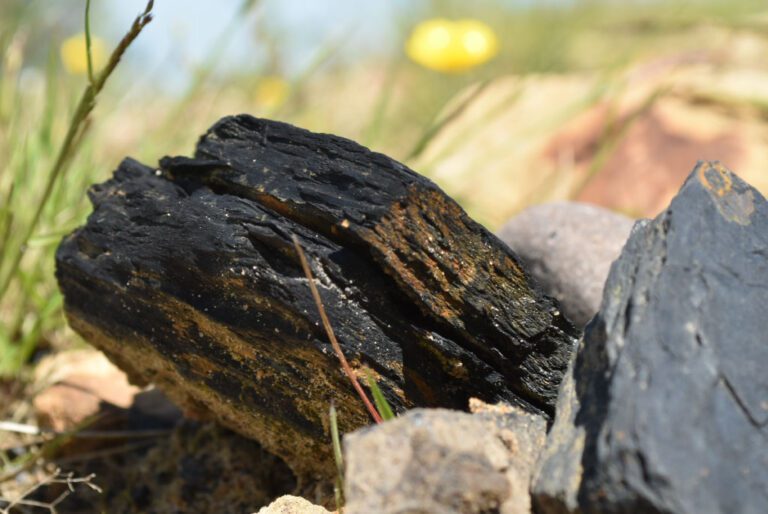
Cerrejón coal mine, Colombia
How the coal arrives into the UK
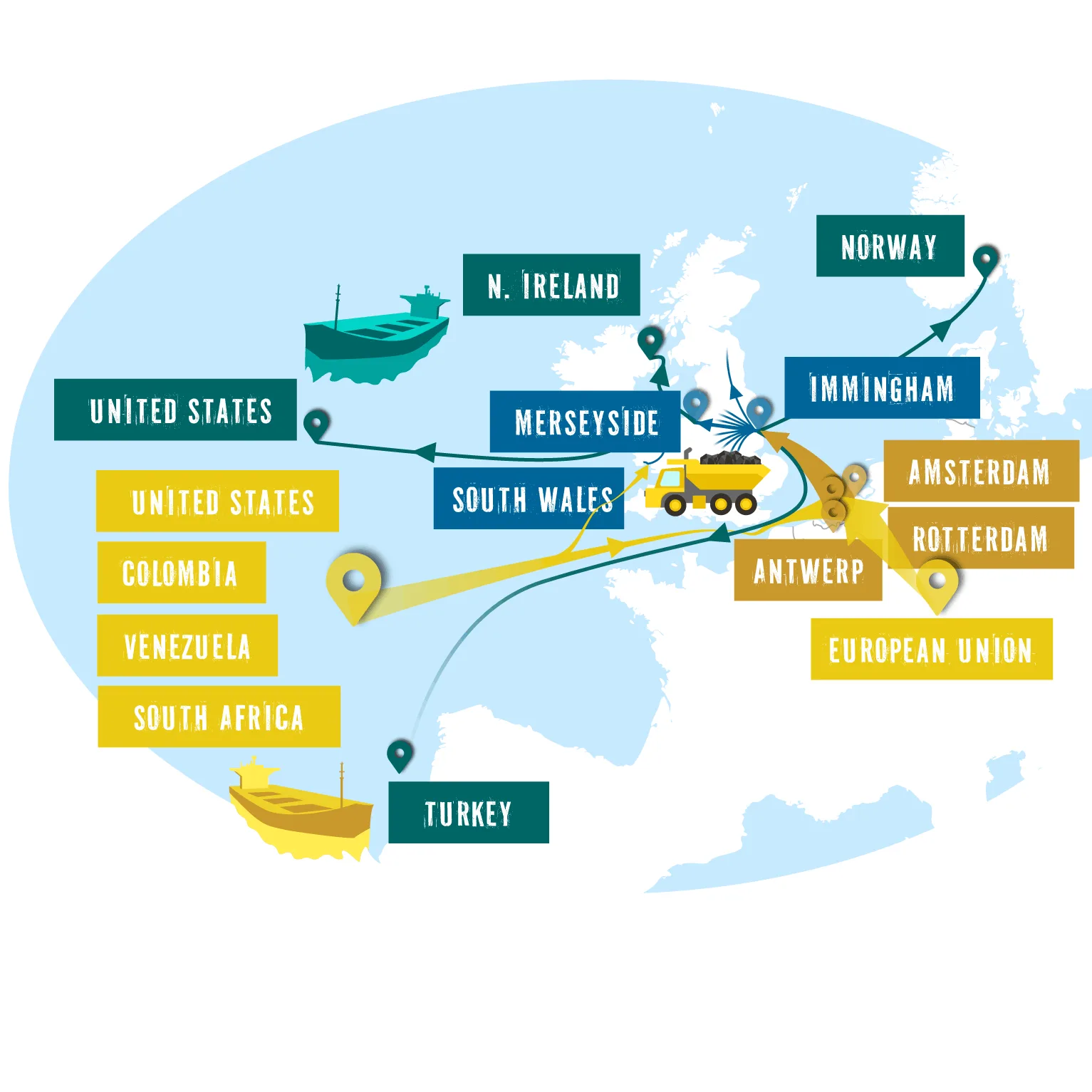
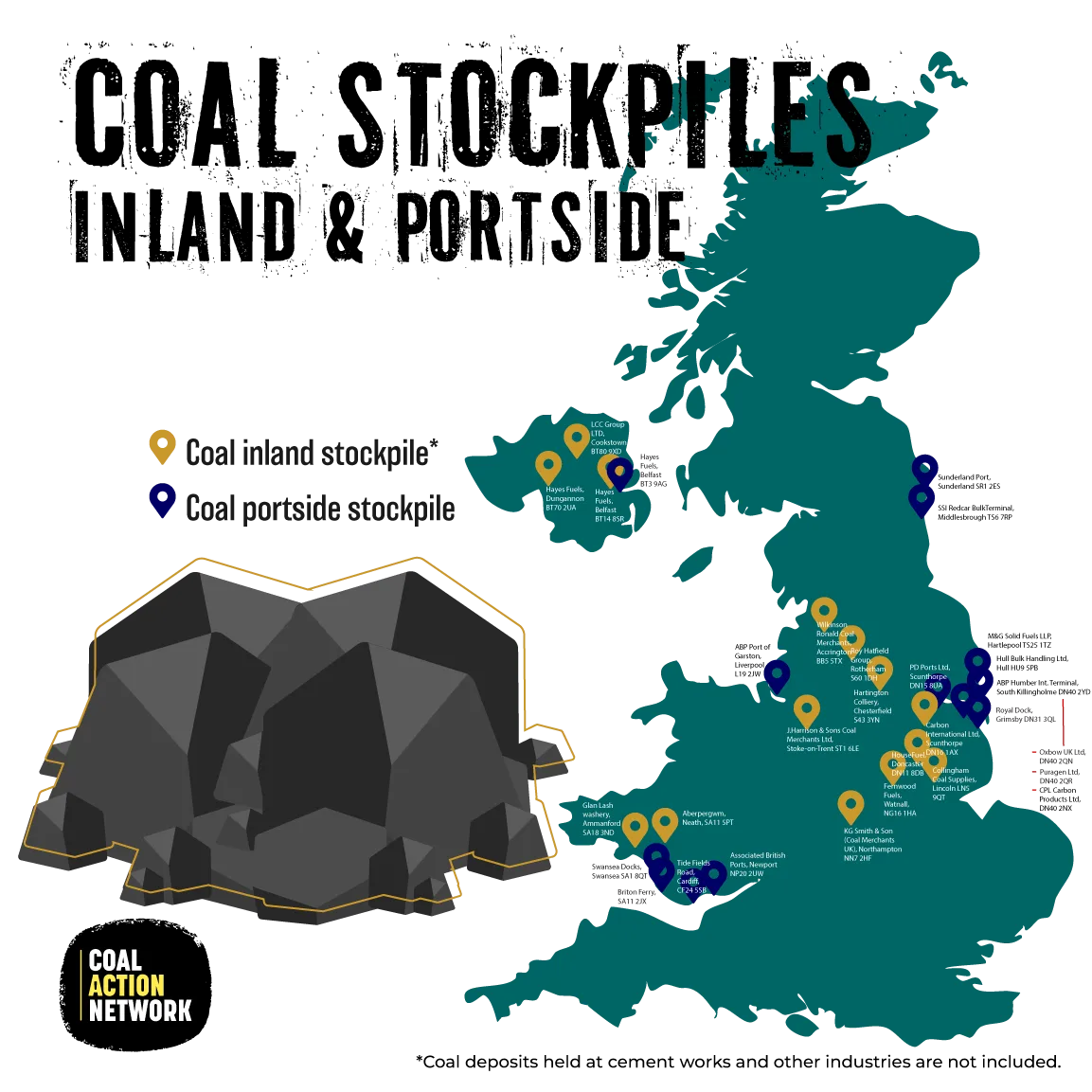
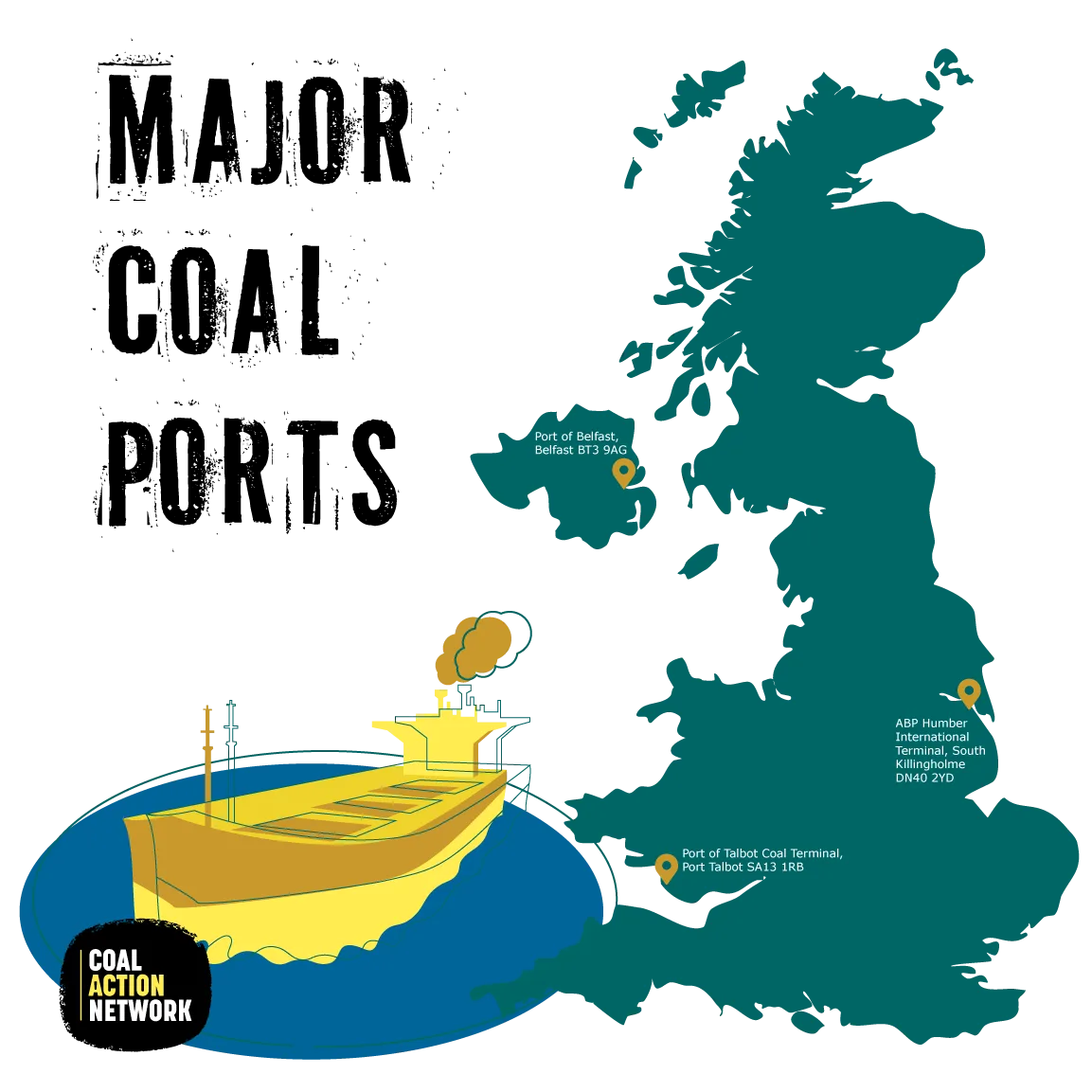
Coal is shipped from abroad to the UK's major coal ports, then ferried up river to further inland coal stocking areas. From here, coal is loaded on trucks and cargo trains to cement works, Scunthorpe steelworks, and to coal merchants.
Major commodity traders are essential to global shipments of coal by organising logistics and buying coal from coal producers and selling it to consumers. These international traders include the likes of Javelin Global Commodities and Jera Global Markets. Sometimes there are additional middle-men such as Hatfield Energy, responsible for a significant amount of the coal imported into the UK - likely bought on the open market from international commodity traders. Unfortunately, banks' coal-exclusion policies open exempt commodity traders, meaning these cogs in the fossil fuel machine still receive £millions in finance.
How the coal is used, and its alternatives