“No time for a coal mine” banners appear on all major roads into Cumbria
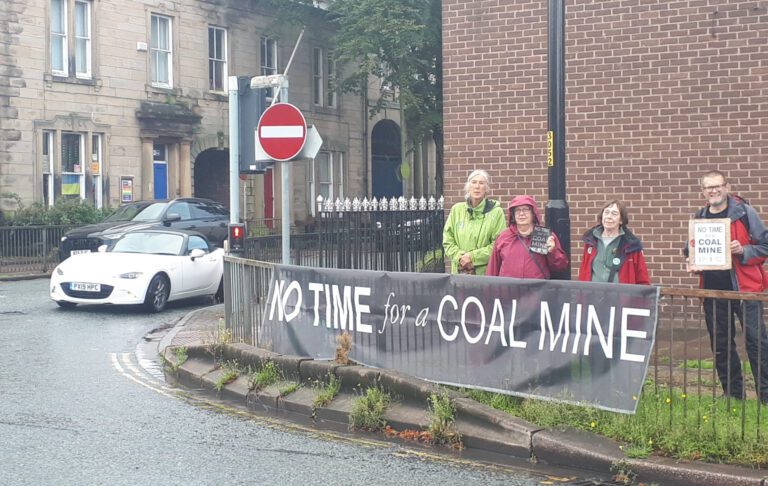

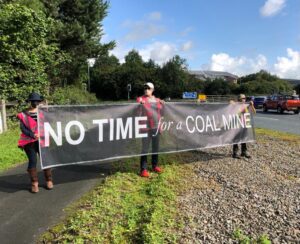
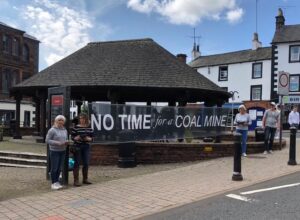
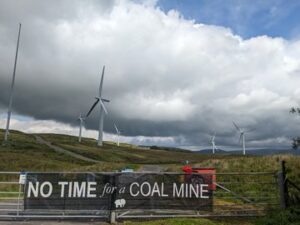
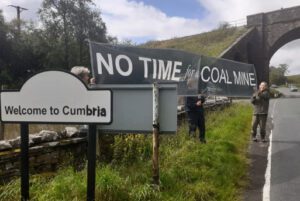
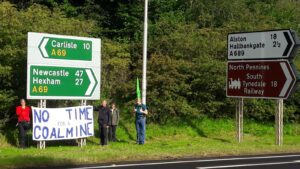
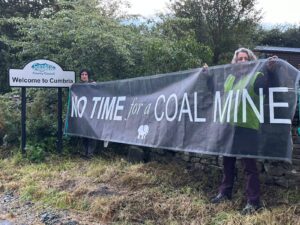
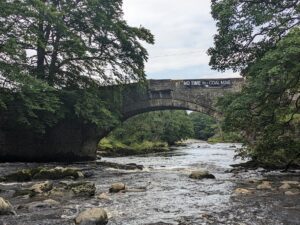
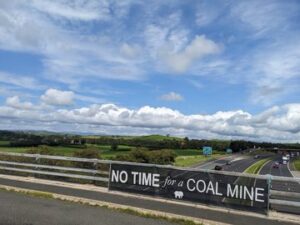
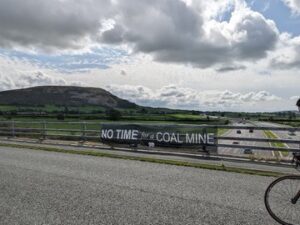

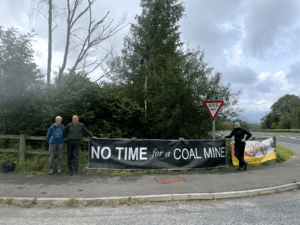
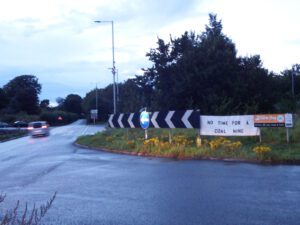
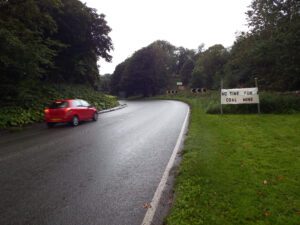
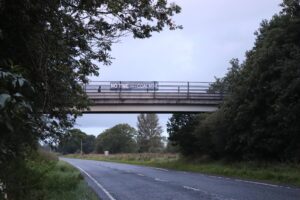
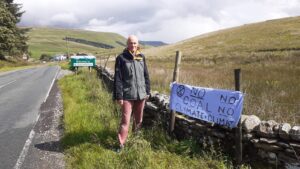
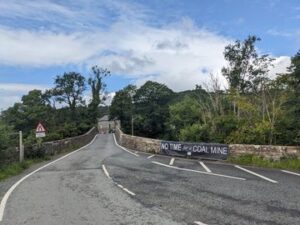
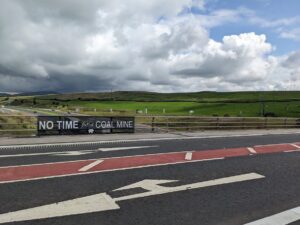
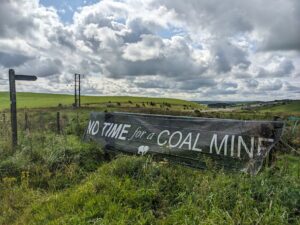
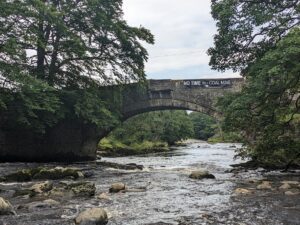
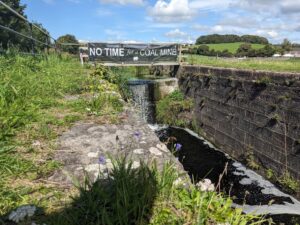
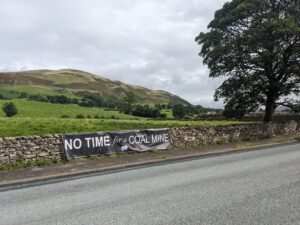
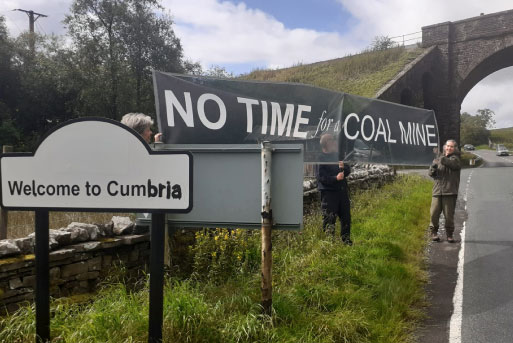
As thousands of visitors travelled into Cumbria for the busy August bank holiday they were met with a powerful statement: 25 large banners opposing the proposed new coal mine near Whitehaven with the words ‘NO TIME for a COAL MINE’.
The banners, which targeted all the major roads leading into Cumbria on Friday 25th August were unfurled by new anti-coal action group ‘No Time for a Coal Mine’. Leaflets were handed out in in Kendal, Carlisle, Keswick, Kirkby Lonsdale and Penrith and fly posters also appeared.
It is the latest in a series of actions against the proposed 2.78 million tonne-a-year mine which has met with significant local, national and international opposition.
Continues...
Sarah McGowan who was born in Whitehaven and took part in the action says, "We can all see the impacts of climate change. In Cumbria the summer has been a washout since June, while on the Hawaiian island of Maui people escaped firestorms by jumping into the sea. Meanwhile the IPCC has said we simply cannot afford to permit any new coal mines, the UK government is flying in the face of reason. Our banners show the strength of feeling against the coal mine and our determination to keep the coal in the ground. The mine must be stopped.”
West Cumbria Mining Ltd is looking to extract a total of 67 million tonnes of coking coal from under the seabed off Whitehaven right up to 2049. The vast majority of this coal would be exported to foreign steelworks, as it is too high in sulphur to comply with UK and European air pollution regulations.[1]
Continues...
Of the two existing UK steelworks using coal, Tata Steel alone could tolerate small amounts of coal from Whitehaven. Tata Steel is currently negotiating with government for subsidies to decarbonise, ending coal use, or it has threatened closure. If the project goes ahead, the Cumbrian coal would emit more than 200 million tonnes of CO₂, primarily from its use in blast furnaces. Its extraction would result in the release of around 334,000 tonnes of methane even if mine methane capture equipment is used (901,000 tonnes without capture).
So far, 2023 has seen the hottest global temperatures for June and July in recorded history. Hundreds of millions of people across the USA, Europe and Asia have been hit by extreme heat while deadly wildfires have raged through southern Europe, Canada, Russia, Hawaii and beyond.
Continues...
The government’s approval of this proposed mine faces two legal challenges, that was due to be heard in the High Court in October 2023. This has recently been delayed pending the outcome of a recent Supreme Court case relating to the oil wells at Horse Hill, Surrey (Finch v Surrey County Council). Both cases relate to consideration of end-use emissions in the Environmental Impact Assessment. If the Supreme Court decides that end-use emissions should be considered, this would greatly increase the chance of the government’s decision on the proposed mine being revoked.
Increasing global temperatures threaten food and water security for many millions of people, endanger lives and will
increase mass migration as areas around the world become uninhabitable. Globally, it is those who have done the least to cause the climate crisis who are already suffering the most.
The banners show the strength of public feeling against the government’s coal proposal, and highlights that there are many people prepared to take action to ensure that the coal remains underground at Whitehaven.
Reference
[1] Cumbria County Council Executive Director - Economy and Infrastructure, Development Control and Regulation Committee Application Reference No:4/17/90077.17
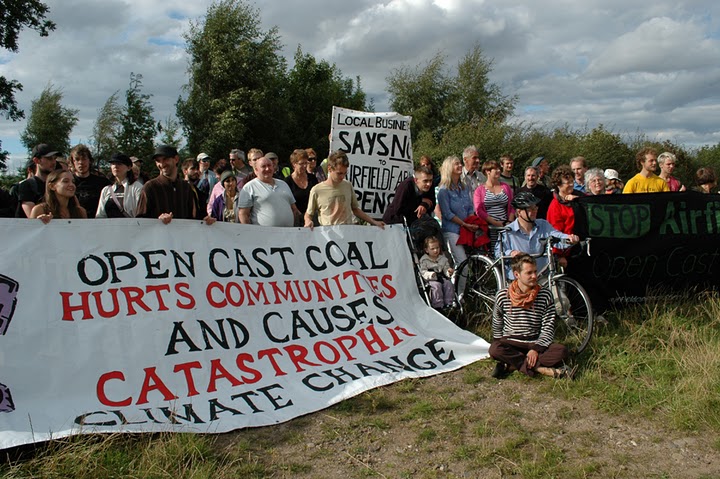
The Scottish government has stated that the “era of coal is over”. Lorna Slater, Co-leader of the Scottish Greens, announced the preferred position against coal mining, for all types of coal. This is essentially a ban on coal mining in Scotland, similar to the one on fracking.
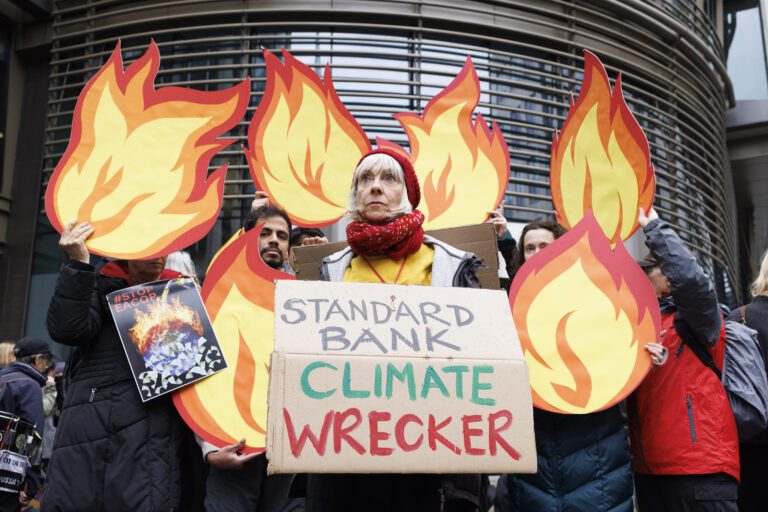
On 18th October dozens of protesters staged a sit-in occupation of the plush City of London offices of ten Lloyd’s of London insurers demanding they rule out insuring the proposed West Cumbria coal mine and East Africa Crude Oil Pipeline (EACOP).
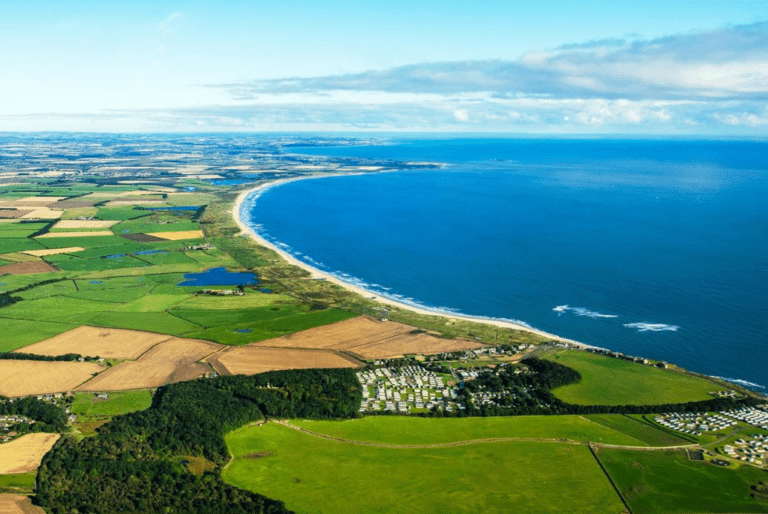
TWO Opencast coal mines rejected this summer! Plus: plans for coking coal mines and power station closure dates
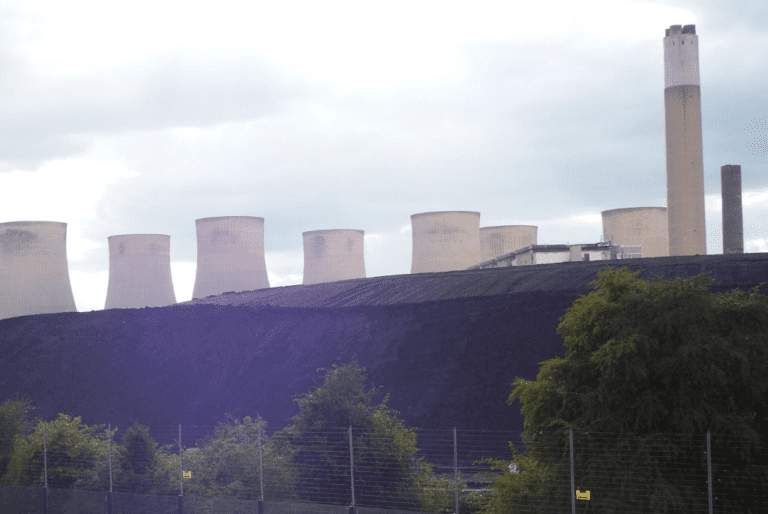
The latest on current operating and proposed mines, and coal use in the UK
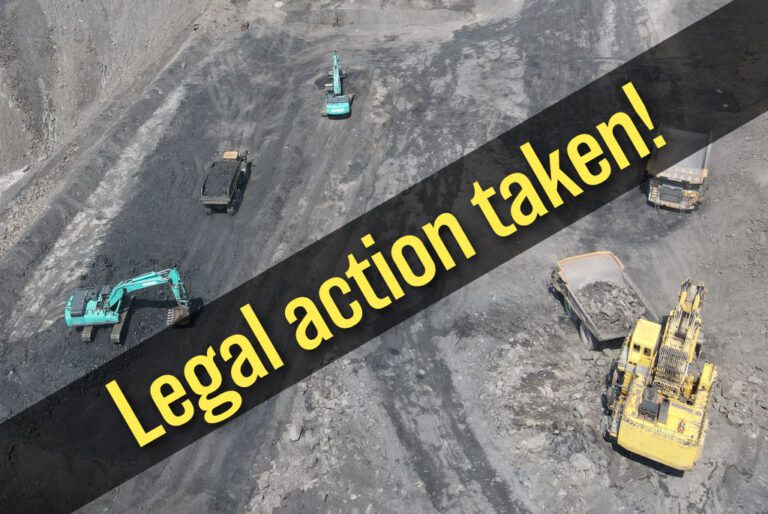
With support from the Good Law Project, we have filed for a Judicial Review against both the Local Council and Welsh Government’s continuing failure to stop Ffos-y-fran, the UK’s biggest opencast coal mine, selling off over 1,000 tonnes of illegal coal each day right under their noses and to the harm of local residents…
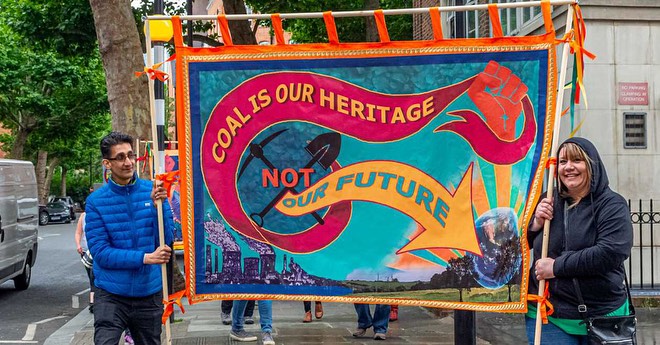
This page gives suggestions of answers to some of the more detailed questions campaigners get asked about West Cumbria Mining Ltd’s plans for Whitehaven.