Unite to fight for a just steel transition
Unite to fight for a just steel transition
Background
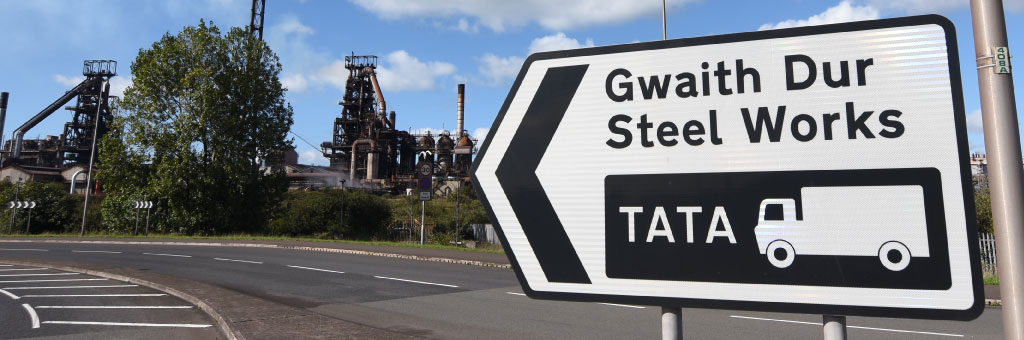
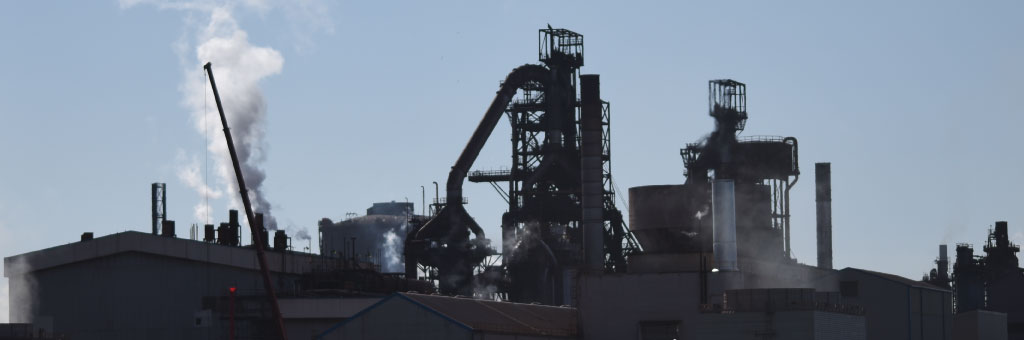
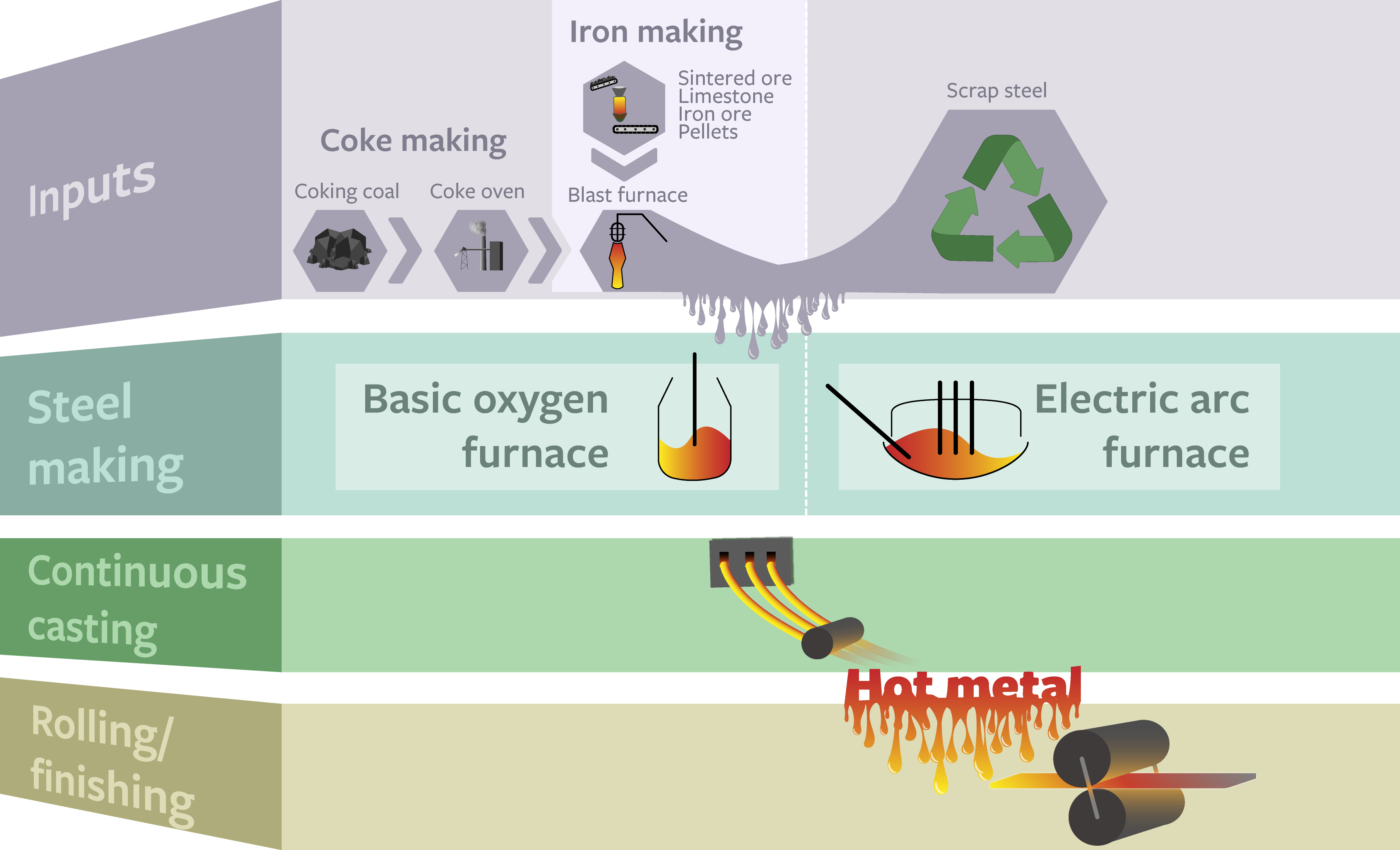
Port Talbot Steelworks in South Wales is the largest producer of virgin steel in the UK. Along with British Steel steelworks in Scunthorpe, Port Talbot steelworks is expected to shut down its blast furnaces in 2024 and build a 3 million tonne (MT) electric arc furnace (EAF) to recycle scrap steel. This is a measure to reduce the steelworks CO2 footprint by cutting out coal used in traditional blast furnaces in virgin steelmaking.
Workers' Plan
In ‘A workers’ plan for Port Talbot’, the UNITE workers’ union points out “The government's current proposal is to give a handout to Tata [Port Talbot Steelworks], without asking for any conditions to protect jobs.” On 15th September 2023, this handout was confirmed at £500 million with expected job losses up to 3,000. The deal was reached without meaningful union or worker involvement, despite those workers facing the biggest upheaval at the steelworks.
No steel transition without justice transition
We share the Unite union’s conviction that the low-carbon transition at Port Talbot Steelworks can, and must, be a just transition. In its workers’ plan, Unite point out that only 60% of UK steel demand is met by domestic production, and that the UK imports 10 out of 17 main steel products. By 2035 demand for green steel could rise as high as 19.4MT, according to Unite. In 2022, the UK produced 6MT of steel. These figures underpin Unite’s case for expanding EAFs at Port Talbot to 6MT-9MT, beyond the current conversion plans of a 3MT EAF.
Unite’s proposed expansion—together with scrap steel processing jobs to improve scrap input quality—would retain, or increase, jobs at the site of Port Talbot steelworks. Unite states that diverting the amount of scrap the UK exports each year would provide sufficient quantities of scrap steel to expand the EAF capacity for Britain’s green steel sector.
Beyond EAFs... for a £billion less than the Track and Trace app
Beyond EAFs, Unite is pushing the UK Government to invest in, and develop, emerging technologies like Hydrogen Direct Reduced Iron (HDRI) to produce virgin steel. The large amounts of electricity needed to support that could, according to Unite, be produced sustainably by constructing a floating windfarm just off the coast of Port Talbot, which it claims has suitable topography. This could safeguard more jobs and contribute to reducing the carbon footprint of other carbon intensive industries, such as cement and ammonia production.
Unite estimates that HDRI roll-out would require a public investment of around £1 billion per year over the next 12 years. That may sound like a lot but, in total, that amounts to a billion less than the widely derided Test and Trace app cost in its first year alone.
Our position
CAN advocates for a variety of strategies to meet UK steel demand into the future, including efficiency, recycling, technology, and more selective production. But where there remains a demand gap, production should be coal-free and utilise a circular economy based on safer, desirable, and dignified jobs within the UK. We also believe it’s vital that the impacts of steel production are not just considered at the point where iron or scrap arrives at steelworks.
Upstream extractive industries and scrap steel sorting and processing underpin, and are impacted by, changes at steelworks. The environmental and economic consequences for these upstream sectors means mine workers and community members living on the frontlines of iron and coal extraction, and the consequences of climate change, also need to be part of the conversation, as stakeholders, for a truly just transition.
CAN agrees with the Unite union on the following demands:
- Change procurement rules to let UK public contracts use 100% UK steel. This alone can create 8,000 jobs.
- Public investment for a Steelworkers’ Transition Plan with NO loss of jobs. Phased workers' transition to green steel. The investment needed is £1 billion per year over 12 years and it will pay for itself with increased revenue.
- Tackle energy prices. Bring in electricity price caps and public ownership of the grid to make our steel even more competitive.
- Take a stake. No more money for nothing. Public investment for steel must come with solid job guarantees.

This link takes you to an external website
Published: 18. 12. 2023