The human cost of the stolen £millions
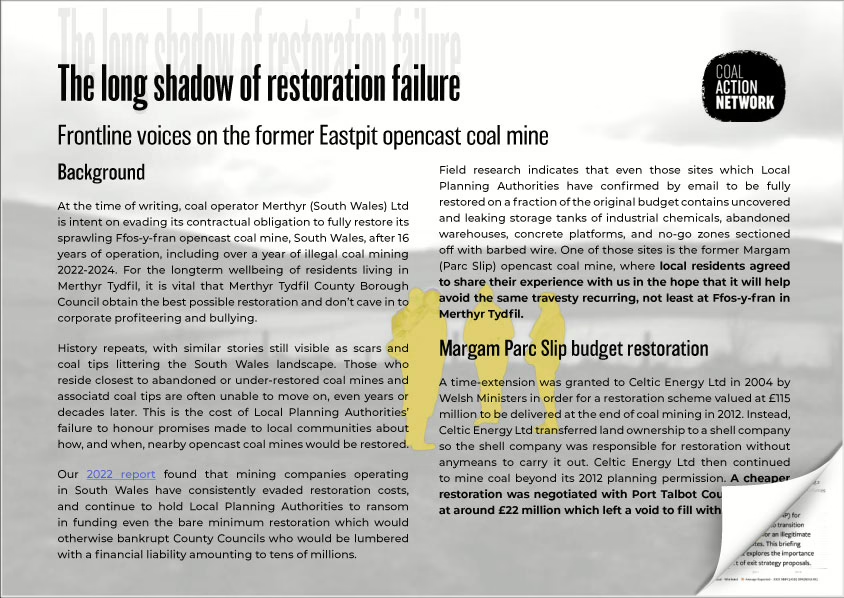
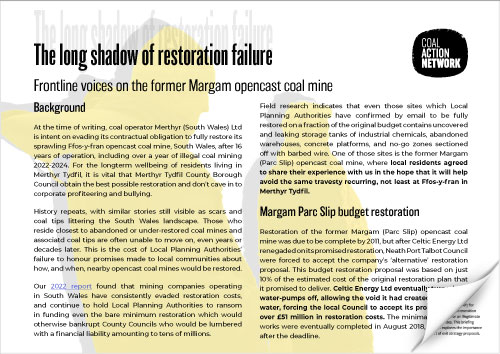
The mining company, Merthyr (South Wales) Ltd, is trying to do the residents of Merthyr Tydfil out of tens of millions of pounds worth of restoration at Ffos-y-fran opencast coal mine by massively reducing the restoration it agreed to carry out at the end of 16 years of coal mining. To understand the lasting impacts this would have, and why we must resist it, we’ve made a guide on the community impacts of two other cut-price restorations in South Wales where the same happened.
Cut-price restoration failures
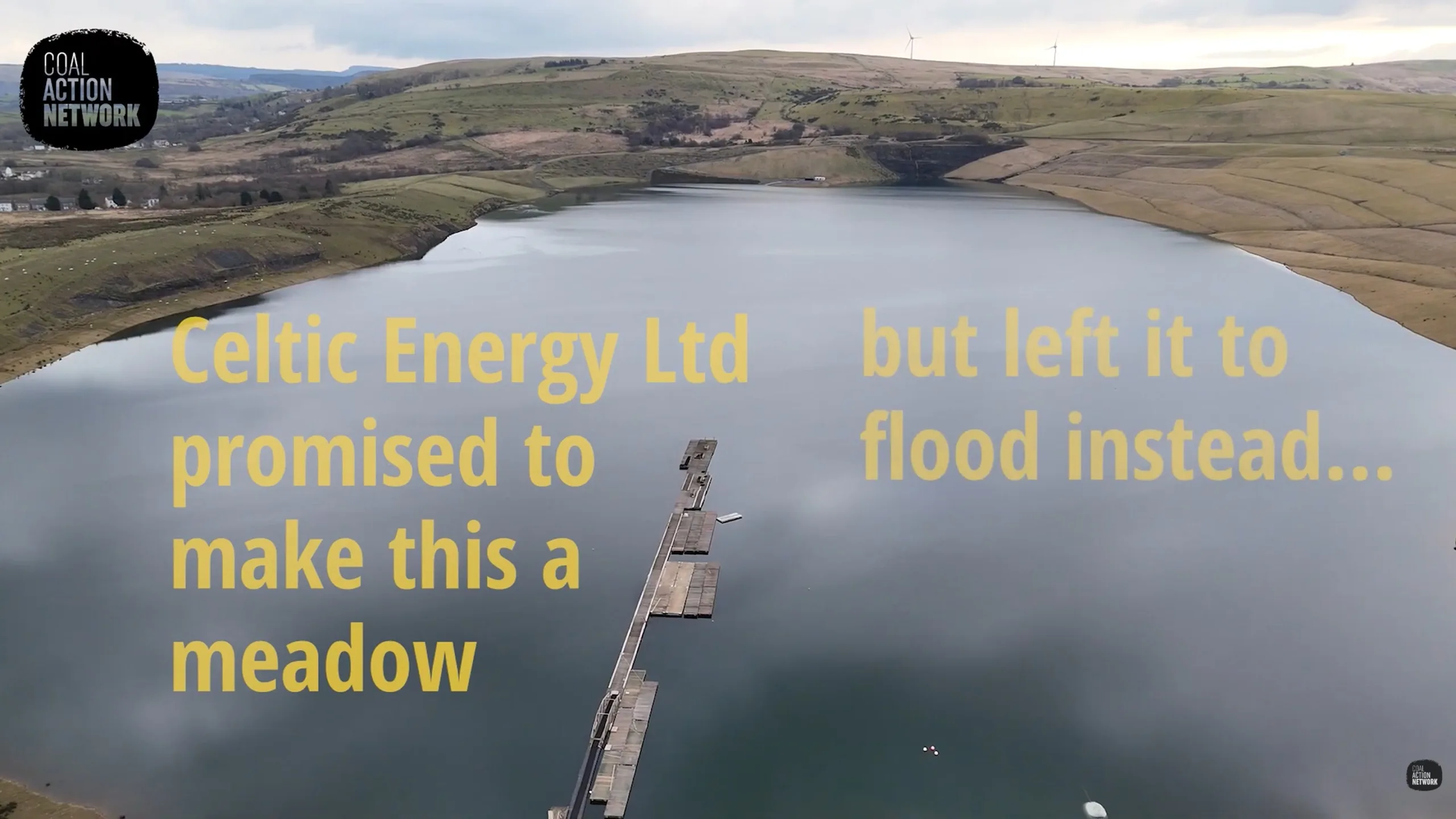
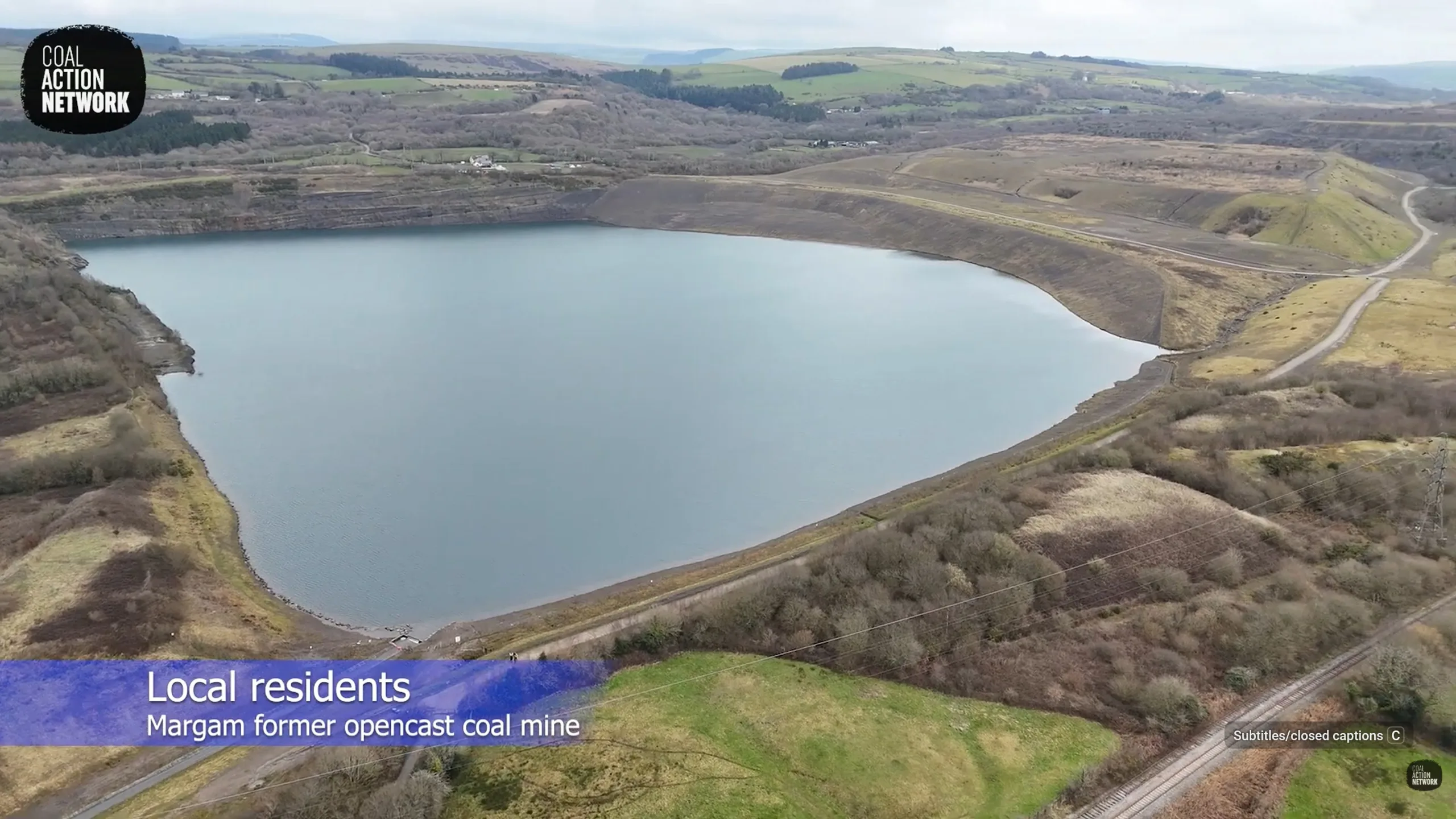
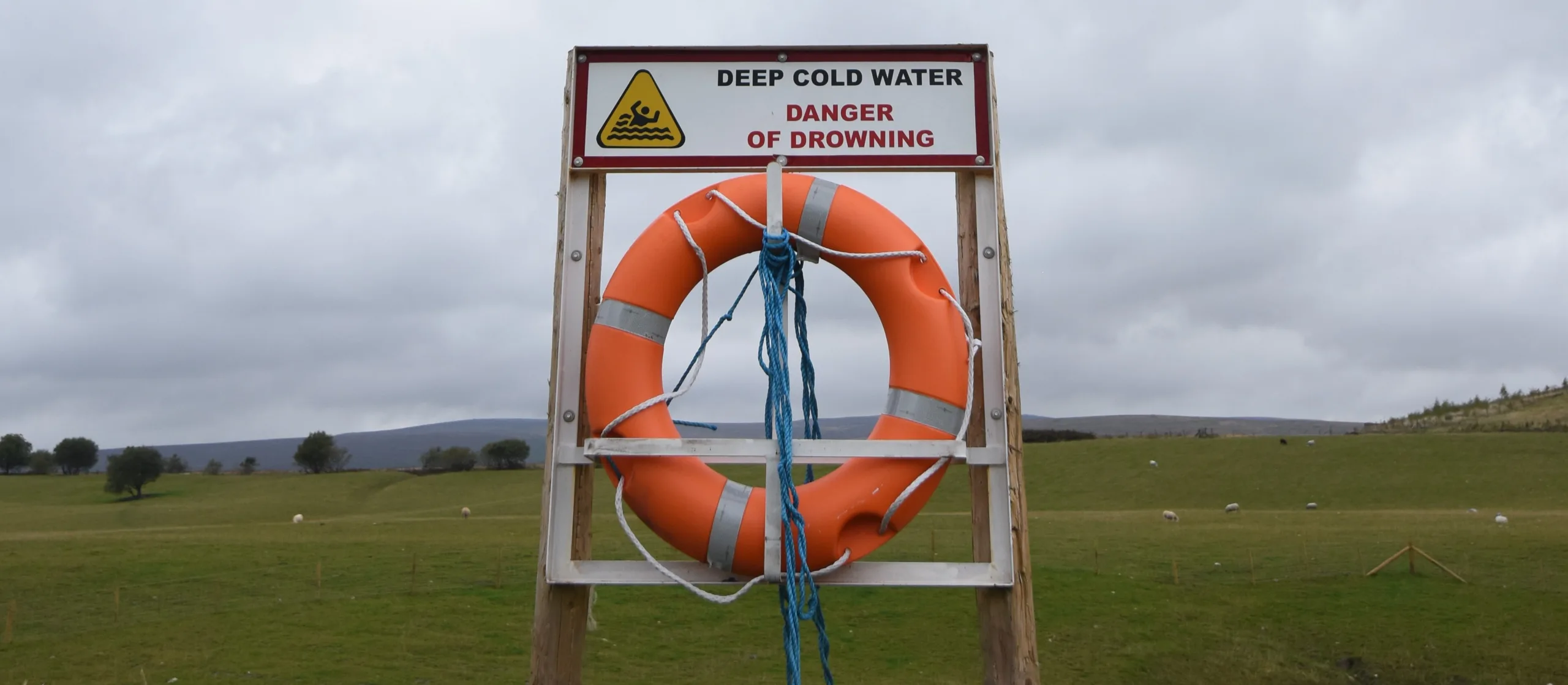
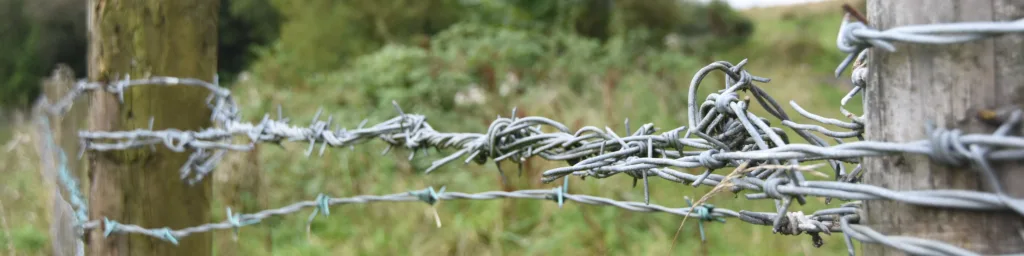
Former opencast coal mining sites like East Pit, Margam Parc Slip, Nant Helen, and Selar are all recent examples of under-restored areas carried out on budgets as little as 10% of what the promised restoration would have cost – sometimes even less. Ffos-y-fran looks set to join that list. Restorations are meant to return natural life to the area after coal mining has finished, often with promises of even more natural habitat and life than there was before. But whilst some of these restorations can superficially appear complete if you don’t look too closely and you didn’t know what it looked like before, the soil is wrecked, habitats are struggling to take hold, and there are often wire fences and safety warnings about the hazards left behind.
Communities paying the price
Often planning permission is granted for coal mining on the basis that the area will be restored with even better natural habitats and public amenity (access, facilities etc.) than before. Surrounding communities pay the price for the promised restoration with years of noise, dust, and disruption to their daily lives. When that restoration is inevitably denied by profiteering mining companies, communities report: